Stronger Together: How Women Are Turning the Gym Floor Into a Gathering Place
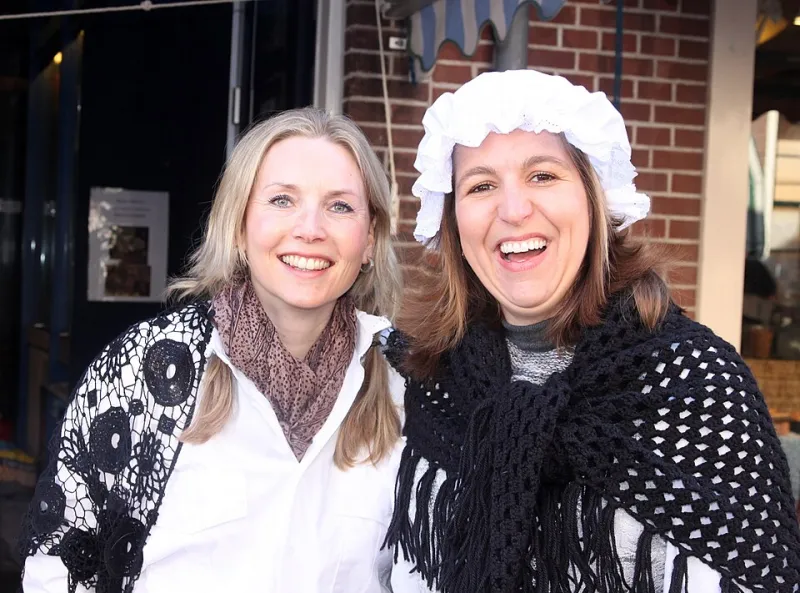
Photo: Peter van der Sluijs, CC BY-SA 3.0, via Wikimedia Commons
There's a particular kind of gym experience that a lot of women know intimately. You walk in, keep your head down, navigate around equipment you weren't sure how to use, and try not to make eye contact with anyone who looks like they've been lifting since high school. You get your workout in. You leave. You didn't hate it, but you also didn't exactly love it.
For years, that was just... the gym. A utilitarian transaction. A necessary discomfort.
But spend time in certain fitness spaces across the country right now and you'll notice something different happening — something that has less to do with equipment or class schedules and everything to do with who's in the room and how they're treating each other.
The Old Story Wasn't Working
The traditional gym narrative sold to women has historically been about fixing something. Lose the weight. Tone the arms. Get the body. It was individual, goal-oriented, and often quietly competitive. Even group fitness classes — which offered community on the surface — were frequently structured around performance metrics and comparison rather than genuine connection.
That framing kept a lot of women coming back out of obligation and leaving the moment the goal felt out of reach or life got complicated. It also meant that the gym never really became a place women wanted to spend extra time. You came for your class. You left.
What's changing now is the story itself.
"I Didn't Expect to Make Friends There"
Mariana, a 34-year-old project manager in Atlanta, started going to a women-focused strength gym about two years ago after years of on-again, off-again gym memberships. She expected to lift weights in peace. She didn't expect to find a group of women she now texts almost daily.
"There was just this vibe where nobody was competing with anyone," she says. "Someone would ask how your deadlift was going and actually want to know. It sounds small but it changed everything about whether I showed up."
Her experience isn't unusual. Across women-focused and deliberately inclusive mixed-gender spaces, a similar pattern emerges: the social connection wasn't what women came for, but it's the reason they stayed.
That distinction matters enormously. It means that creating the conditions for connection — not mandating it, just making it possible — is one of the most powerful things a gym can do for female retention.
What Design Actually Communicates
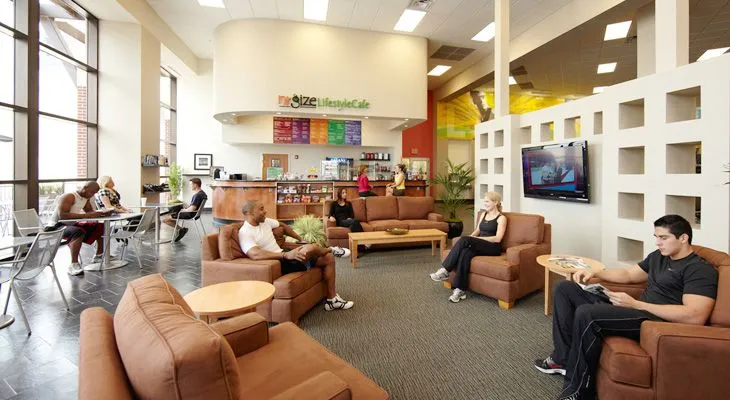
Walk into a gym designed with women's comfort and social experience in mind and the differences are physical, not just philosophical. The layout tends to be more open, with fewer territorial pockets of heavy equipment that can feel exclusionary. Lighting is warmer. There are places to sit that aren't just benches between sets. The mirrors, if present, are positioned for form-checking rather than constant body scrutiny.
These aren't trivial aesthetic choices. They communicate something to every woman who walks through the door: this space was designed with you in mind.
Programming philosophy follows the same logic. Classes and group workouts at these facilities tend to emphasize collaboration over competition — partnered exercises, team challenges, shared goals. Strength training, once coded as a male domain in mainstream gym culture, is framed around capability and empowerment rather than appearance. The language in class descriptions, on signage, in how coaches talk — it all adds up.
"When the coach says 'let's see what we can do together' instead of 'beat your last time,' the whole energy shifts," says Priya, a 29-year-old nurse in Dallas who found her current gym after feeling consistently out of place at a large commercial chain. "It's not that I don't want to get stronger. I really do. But I want to do it with people, not against them."
The Rise of Female-Focused Fitness Communities
Across the US, the growth of women-centered gym communities is showing up in a few distinct forms. There are women-only facilities — some long-established, others newly launched — that provide a space entirely free of the social dynamics that can make mixed-gender floors uncomfortable. There are mixed-gender gyms that have deliberately cultivated female-forward cultures through intentional programming and staff training. And there are informal communities forming organically inside existing gyms: running crews, early-morning lifting groups, accountability partnerships that started between strangers and grew into genuine friendships.
Social media has accelerated all of this. Women finding their gym communities are sharing them — not in the aspirational, performance-focused way that dominated fitness content a decade ago, but in a "come join us" way that feels genuinely inviting. The aesthetic is less about before-and-after and more about who's in the room.
What Women Say They Actually Need
Ask women what they want from a gym community and a few themes come up consistently.
To not feel watched or judged. This sounds basic, but it's foundational. Environments where women feel surveilled — by other members, by a culture of appearance-focused fitness, even by certain mirror configurations — undermine the ease required for genuine social connection.
To be met where they are. Women enter gyms at wildly different fitness levels, life stages, and with different histories around their bodies. Communities that celebrate a 45-year-old mom hitting her first pull-up with the same energy as a competitive athlete setting a PR are the ones women describe as transformative.
Programming that makes showing up feel like showing up for each other. When missing a class means letting down a group you care about — rather than just skipping a solo workout — consistency changes. The social accountability loop is one of the most underutilized tools in fitness.
More Than a Workout
What's happening in these spaces is something that goes beyond fitness trends or demographic targeting. It's a reclaiming of what the gym can be — not a place of self-improvement anxiety, but a genuine gathering spot. A third place, in the truest sense.
Jamila, a 41-year-old teacher in Seattle, put it simply: "I go to lift, yeah. But honestly? I go to see my people. The lifting is almost secondary at this point."
That's not a knock on the workout. It's the highest compliment a gym can receive.