They Show Up Every Day and Never Say a Word — And That's Okay
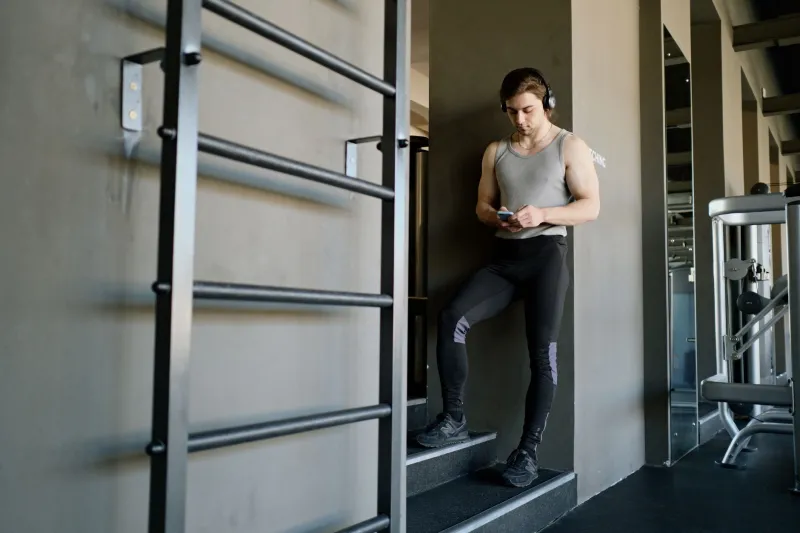
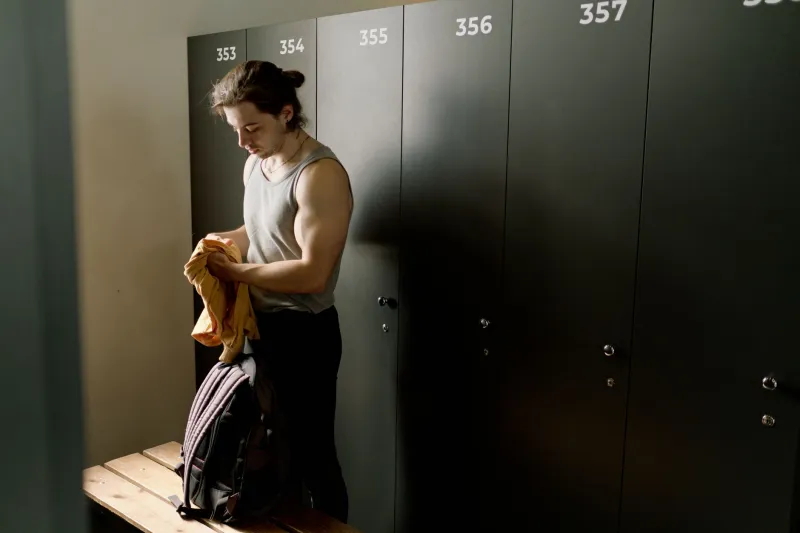
There's a guy at your gym. You've seen him hundreds of times. Same squat rack, same time slot, same worn-out Nikes. You've never exchanged more than a nod — maybe not even that. He's been a member longer than most of the staff has worked there, and yet nobody really knows him.
He's not unfriendly. He's not having a bad day. He's just... quiet.
Gyms that pride themselves on community — the kind that feel more like a neighborhood hangout than a fluorescent-lit sweat factory — tend to talk a lot about connection. And for good reason. The research backs it up, the member retention numbers back it up, and honestly, the vibe backs it up. But somewhere in that enthusiasm for building bonds, it's easy to accidentally sideline the people who find real value in the gym without ever wanting to be part of a group chat.
Those people deserve to belong here too.
Who We're Actually Talking About
Let's be specific, because "quiet gym member" covers a lot of ground.
There are the introverts — people who are perfectly social in other areas of life but genuinely recharge by being alone. For them, the gym might be one of the few hours in a week where nobody needs anything from them. The workout is theirs, the space is theirs, and the silence is a feature, not a bug.
Then there are people managing social anxiety. Walking into a room full of strangers doing physical things in front of mirrors is already a lot. Add pressure to make friends or join a class, and the whole experience tips from uncomfortable into genuinely stressful. These members often took real courage just to walk through the door in the first place.
There are also the task-oriented folks — people who are simply there to train. They have a program, they have goals, and social interaction isn't part of the plan. That's not a personality flaw. That's focus.
And finally, there are members going through something. Grief, burnout, a rough stretch at work or at home. The gym might be the one place they can show up without having to explain themselves. The routine is the point. The quiet is the medicine.
All of these people are regulars. Many of them are your most reliable members. And most gym communities, however well-intentioned, are not really designed with them in mind.
The Pressure to Perform Sociability
Here's where a lot of fitness communities get it wrong: they conflate belonging with participating.
When every newsletter pushes a social event, when staff are trained to encourage members to "get involved," when the culture implicitly rewards the person who knows everyone's name — the message sent to quieter members is pretty clear. You're here, but you're not quite one of us.
That's not intentional. But intent doesn't change the impact.
A member who shows up four days a week for three years and never attends a single mixer is not failing at community. They're doing exactly what they came to do. The question is whether the gym makes them feel like that's enough — or whether they quietly feel like they're doing it wrong.
The difference between those two experiences? That's the gap worth closing.
What Inclusive Community Actually Looks Like
The goal isn't to force quieter members into social situations they didn't sign up for. It's to make sure they feel genuinely welcome in the space — on their own terms.
That starts with small, low-stakes signals. A staff member who makes eye contact and gives a genuine nod without launching into conversation. Signage that communicates the gym's values without making socialization sound like a requirement. A layout that doesn't funnel everyone through the same bottleneck where interaction is essentially mandatory.
It also means rethinking how belonging gets communicated. A quiet regular who's been coming for years is part of the fabric of that place. They recognize the rhythms, they've watched the space evolve, they've probably seen dozens of members come and go. That kind of quiet loyalty is its own form of investment in a community — and it deserves acknowledgment.
Some gyms have started using simple check-in notes or member milestone recognitions that don't require a response. A small card at the front desk that says "Hey, we noticed you hit your 200th visit" doesn't demand anything. It just says: we see you. That matters more than most people realize.
Creating On-Ramps, Not Mandates
For members who might want more connection but don't know how to get there, the answer isn't pushing them toward it — it's making the path obvious and low-pressure.
This might look like a community board where members can post about non-gym stuff: a pickup basketball game, a hiking trail recommendation, a book they finished. It's social infrastructure that doesn't require face-to-face interaction as the entry point.
It might mean offering optional small-group programming — emphasis on optional — where the format is structured enough that nobody has to figure out how to start a conversation. The workout does that work for you.
It might just mean training staff to read the room. Some members want to chat after a set. Some want to be left alone. Both are valid, and experienced gym staff can usually tell the difference. The skill is responding accordingly without making either person feel like they chose wrong.
The Quiet Regulars Are Already Part of Your Community
Here's the reframe that matters most: the silent members aren't outside the community waiting to be let in. They're already in it. They're the familiar faces that make a gym feel like a gym. They're the reason a new member walking in for the first time gets a sense that this is a place people come back to.
Community isn't just the group class high-fives and the post-workout coffee runs, as great as those things are. It's also the unspoken agreement that this is a shared space where everyone gets to do their thing. The quiet guy in the squat rack is part of that agreement. So is the woman who's been doing her solo treadmill walks every Tuesday morning for two years.
A gym that genuinely works for everyone doesn't pressure its introverts into becoming extroverts. It builds an environment where showing up consistently — in whatever way feels right for you — is recognized as enough.
Because sometimes belonging doesn't look like a conversation. Sometimes it just looks like coming back.