Why Your Gym Should Be the New Coffee Shop (And How Some Already Are)
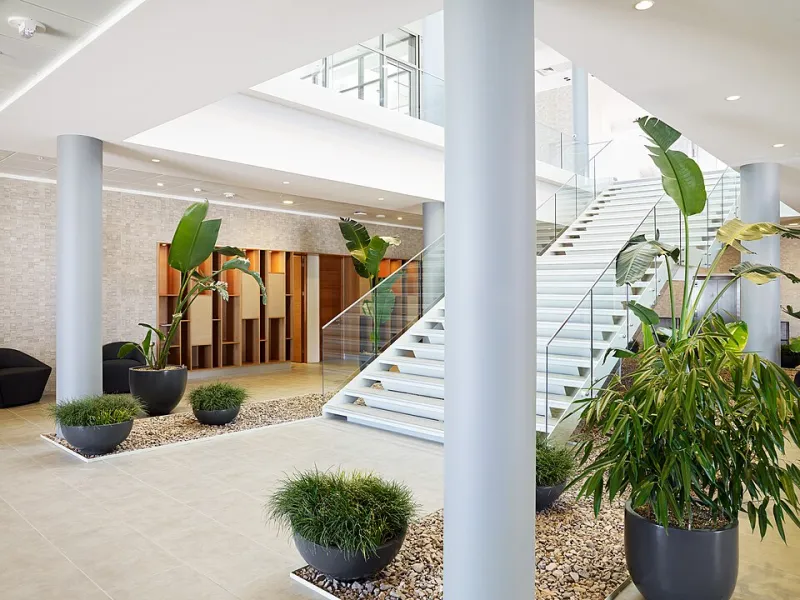
Photo: ESO, CC BY 4.0, via Wikimedia Commons
There's a Starbucks on nearly every corner in America, and it's not because people can't make coffee at home. It's because people are desperately looking for somewhere to be. Somewhere that isn't the couch and isn't the office. Somewhere with a little ambient noise, a familiar face or two, and the low-level comfort of belonging to something larger than yourself.
Sociologist Ray Oldenburg called this the "third place" back in 1989, and the concept has never felt more relevant. Home is your first place. Work is your second. The third place is the barbershop, the diner, the neighborhood bar — the informal gathering ground where community actually forms. And for a long time, gyms have been almost aggressively absent from that list.
That's starting to change. And honestly, it's about time.
The Problem With Most Gyms
Walk into the average big-box fitness chain and you'll notice something almost immediately: nobody is talking to each other. Headphones are in. Eyes are forward. The unspoken social contract is don't bother me, I won't bother you. You check in, you grind, you leave. Maybe you wipe down the equipment. Maybe.
This isn't entirely the members' fault. The facilities themselves are designed for throughput, not lingering. Harsh fluorescent lighting, rows of identical cardio machines, no seating that isn't a bench press — these are spaces engineered to process bodies, not host communities. There's nowhere to hang out even if you wanted to.
Compare that to your favorite coffee shop. Soft lighting. Mismatched chairs. A counter where you can chat with the barista. Maybe a community board with local event flyers. The design invites you to stay. Gyms, almost universally, do the opposite.
The result? Coffee shops and bars have quietly absorbed the social energy that fitness spaces could — and arguably should — own. People are building friendships over lattes when they could be building them over shared PRs and post-workout recovery drinks.
What Forward-Thinking Gyms Are Doing Differently
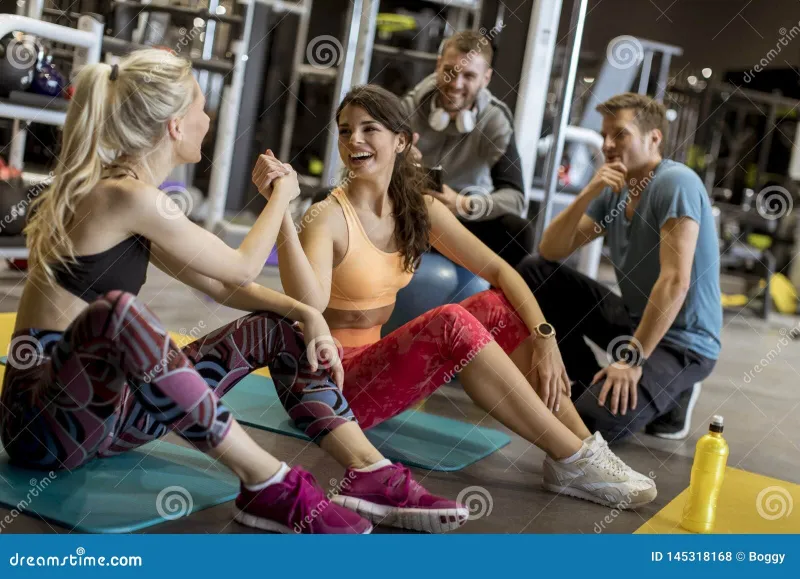
A growing number of independent gyms across the country are rejecting the sterile warehouse model entirely. They're adding juice bars with actual seating — not just a protein shake vending machine bolted to the wall. They're building lounges where members can decompress after a session, catch a game, or just scroll their phones without feeling like they're blocking a squat rack.
Some facilities have gone further. Regular community events — movie nights, potlucks, local vendor pop-ups — give members reasons to show up on days they're not even planning to train. Group fitness classes are being scheduled with social time built in afterward, not just as an afterthought but as a deliberate part of the programming.
In cities like Austin, Denver, and Brooklyn, boutique fitness studios have started functioning more like members' clubs than workout facilities. The workout is almost the entry ticket. The real draw is the people you meet when it's over.
The Business Case Is Actually Pretty Simple
Here's something gym owners should think hard about: Starbucks doesn't make money selling coffee. It makes money selling the experience of being in a Starbucks. The coffee is fine. The atmosphere is the product.
Gyms that figure this out tend to see dramatically lower churn rates. When members feel genuinely connected to a place — when they have friends there, when staff know their name, when they look forward to the hour after their workout as much as the workout itself — cancellation becomes a much harder decision. You're not just leaving a gym. You're leaving a community.
Membership retention is the gym business's most stubborn problem. The industry average annual churn rate hovers somewhere between 30 and 50 percent. That's brutal. But facilities that invest in community infrastructure — physical spaces for gathering, programming that creates repeated social contact, staff culture that prioritizes connection — consistently outperform those numbers.
The third place model isn't just good sociology. It's good business.
What It Actually Looks Like in Practice
So what separates a gym that functions as a third place from one that doesn't? A few key things:
Design that invites staying. Natural light where possible. Seating areas that feel comfortable, not clinical. A juice bar or café space that gives people a reason to hang around post-workout.
Programming that creates repeated contact. It's not enough to have a community board. Events, challenges, and group classes need to be structured so the same people keep running into each other. Familiarity is the foundation of belonging.
Staff who are connectors. The best community-oriented gyms hire people who are genuinely curious about members — who remember your name, ask about your marathon training, introduce you to the person who just moved to the neighborhood and runs the same pace as you.
A vibe that says you can stay. This one's harder to quantify but you feel it immediately. Some gyms make you feel like a guest who's overstayed their welcome the moment you rack your weights. Others feel like a place you could spend an afternoon.
The Opportunity Is Wide Open
Coffee shops didn't steal the third place crown because they're inherently better at community. They got there because gyms largely stopped trying. The fitness industry got obsessed with equipment, amenities in the hardware sense — more machines, bigger screens, fancier locker rooms — and forgot that what people actually hunger for is human connection.
The gyms that are winning right now, the ones with waitlists and decade-long members and genuine word-of-mouth buzz, are the ones that figured out a simple truth: people will pay for a great workout, but they'll stay for a great community.
That's the whole idea behind this place. Third Place Gym isn't just a name — it's a philosophy. The workout gets you in the door. Everything else is why you come back.